



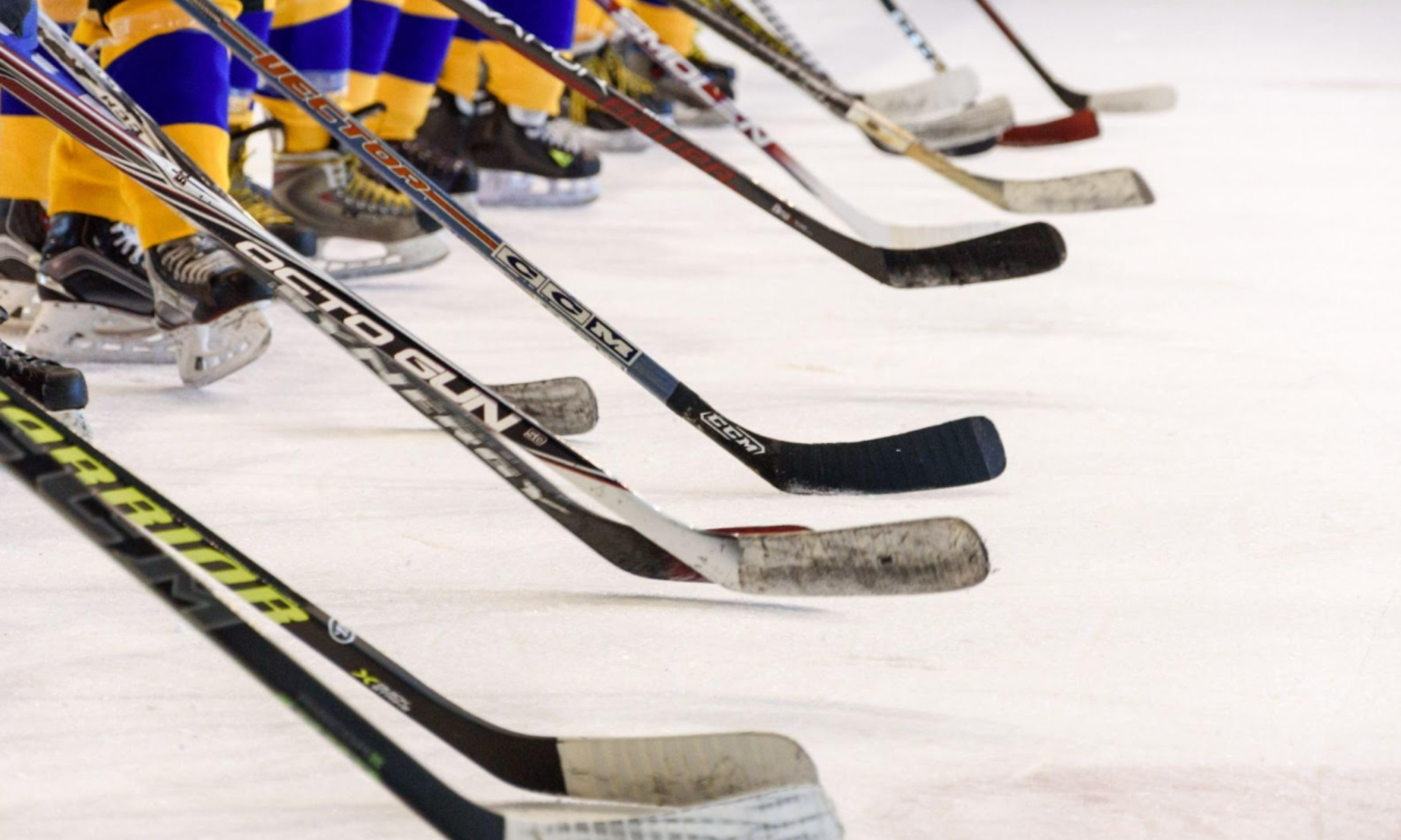
As the NHL regular season enters its final stretch, attention shifts toward the playoff race. Teams compete for divisional positioning, wild-card spots, and home-ice advantage, creating intense matchups late in the schedule.
For fans who follow betting markets, this period often brings increased focus on NHL game lines as each game carries greater importance for teams preparing for the postseason.
Although the main NHL betting markets stay the same throughout the season, late-season context can change how matchups are priced and interpreted. Playoff contenders often approach games with added urgency, and certain matchups begin to resemble the pace and structure commonly seen during the postseason.
How NHL Game Lines Work
In hockey betting markets, the most common game lines include the moneyline, puck line, and total goals market. The moneyline simply indicates which team is favored to win the game. For example, a team with a negative number (such as -150) is considered the favorite, while the opposing team with a positive number (such as +130) is the underdog.
The puck line operates similarly to point spreads in other sports and is typically set at ±1.5 goals. In that case, the favored team must win by two or more goals for the puck line to cover, while the underdog can either win outright or lose by a single goal.
The total goals line reflects expectations around how many combined goals may be scored in a game. NHL totals commonly fall around 5.5 or 6 goals, depending on the teams involved and recent scoring trends.
Fans reviewing NHL game lines during this stage of the season often compare these markets across multiple matchups. This helps fans to understand how closely contested certain games may appear heading into the final weeks of the regular season.
Understanding these markets helps provide context when reviewing game lines during the final weeks of the regular season.
Late-Season Standings and Playoff Positioning
With the postseason approaching, the NHL standings become a major storyline. Teams fighting for a playoff berth often treat late-season games with increased urgency, especially when competing directly against divisional rivals.
The NHL playoff format awards spots to the top three teams in each division, along with two wild-card teams in each conference. This structure means that several teams often remain in contention until the final weeks of the regular season.
Because of this, late-season matchups frequently feature teams that are closely grouped in the standings. These games can carry additional significance for seeding and home-ice advantage during the first round of the playoffs.
In some seasons, the gap between wild-card contenders can be just a few points in the standings. That margin often means every game during the final weeks carries meaningful implications for postseason qualification. As teams battle for those remaining spots, late-season matchups between direct competitors can become some of the most closely watched games on the schedule.
The Role of Goaltending in Late-Season Matchups
Goaltending has always been a central part of NHL strategy, but it becomes even more prominent as teams prepare for playoff hockey. During the postseason, games often become lower scoring and more defensively structured. Because of this, teams frequently rely heavily on their starting goaltenders during important late-season games.
For example, elite goaltenders such as Igor Shesterkin and Andrei Vasilevskiy have consistently ranked among league leaders in save percentage in recent seasons, reinforcing their importance to their teams’ success. Strong goaltending performances can influence the overall flow of a game and become a key storyline when fans review upcoming matchups.
Teams that receive consistent performances from their starting goaltenders often carry that stability into the postseason. As the regular season draws to an end, coaches may also give their top netminders additional starts to maintain rhythm before the playoffs begin.
These late-season appearances can offer an early glimpse of which goaltenders may play the largest roles once the postseason starts.
Matchups That Could Preview the Playoff Series
As the regular season winds down, many late-season games feature teams that may soon face each other in the playoffs. For example, divisional matchups between teams such as the Buffalo Sabres and Montreal Canadiens or the Colorado Avalanche and Minnesota Wild often attract attention because these clubs have recently competed for top positions in their respective divisions.
When teams that could potentially meet in the postseason play each other near the end of the regular season, fans often view these contests as early previews of playoff-style hockey. The games may feature tighter defensive play and greater physical intensity as teams measure themselves against potential postseason opponents.
These elements can shape how observers interpret upcoming matchups when reviewing NHL game lines late in the season.
Following NHL Coverage and Game Analysis
Fans who follow the NHL closely often combine multiple sources of information when reviewing upcoming matchups. Game previews, standings updates, and statistical breakdowns all contribute to a clearer understanding of how teams are performing late in the season.
Many fans also rely on digital platforms to follow these developments as the regular season nears its conclusion. Game previews, injury updates, and matchup breakdowns are widely available across sports media, and resources such as FanDuel Research’s NHL coverage provide additional context through articles and statistical insights that track key storylines around the playoff race.
Access to this type of coverage helps fans stay informed about important matchups and developments across the league.
Looking Ahead to the Playoffs
As the NHL postseason approaches, the final weeks of the regular season provide a glimpse into how teams may perform once the playoffs begin. Close divisional races, potential playoff previews, and standout performances from key players all contribute to the excitement surrounding this time of year.
For fans following the league closely, reviewing NHL game lines during this stretch can offer another perspective on how teams are approaching these crucial matchups. With playoff positions still being determined, each game continues to play a role in shaping the road to the Stanley Cup.